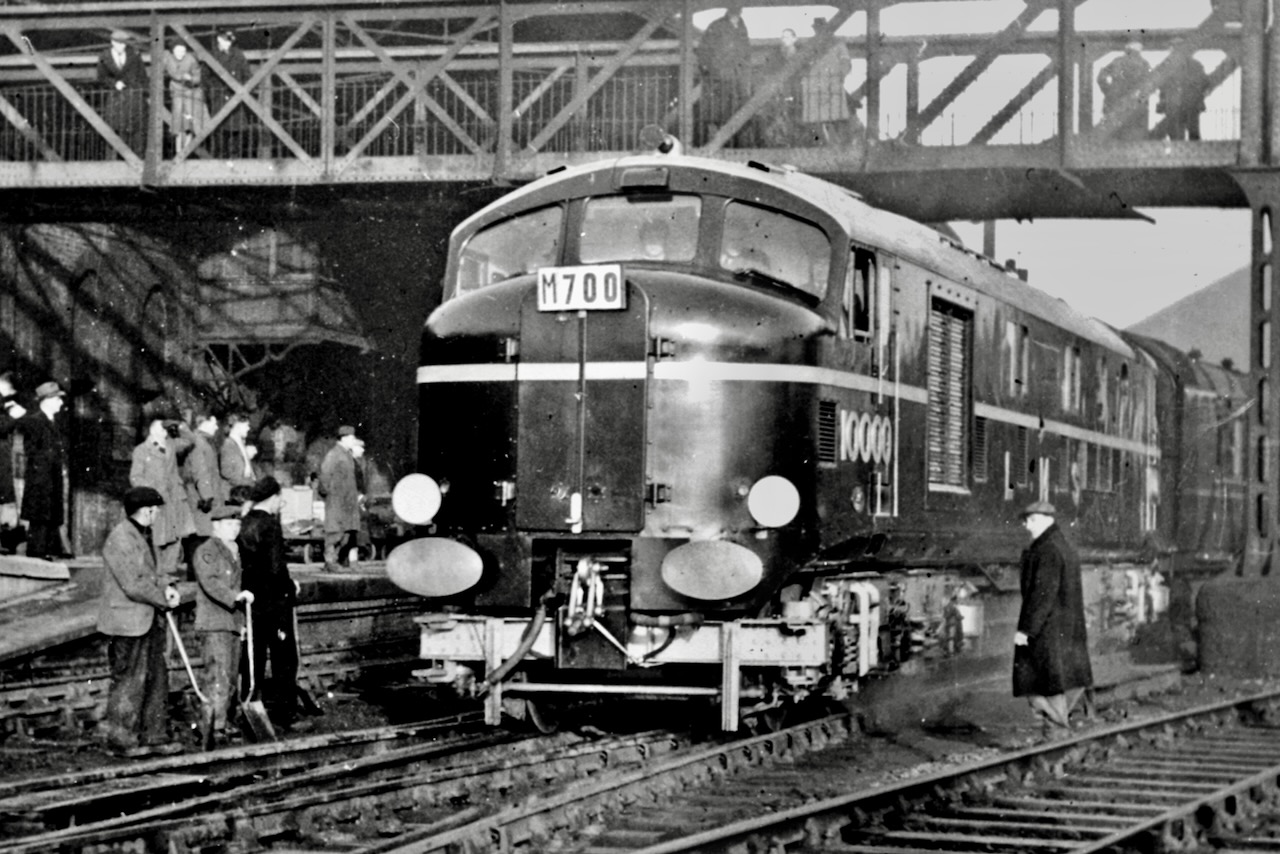
The roots of the 10000 project go back to 2012, when the group successfully purchased a 1947 build low hours Mark 1 16SVT engine, virtually identical to the one originally fitted to 10000.
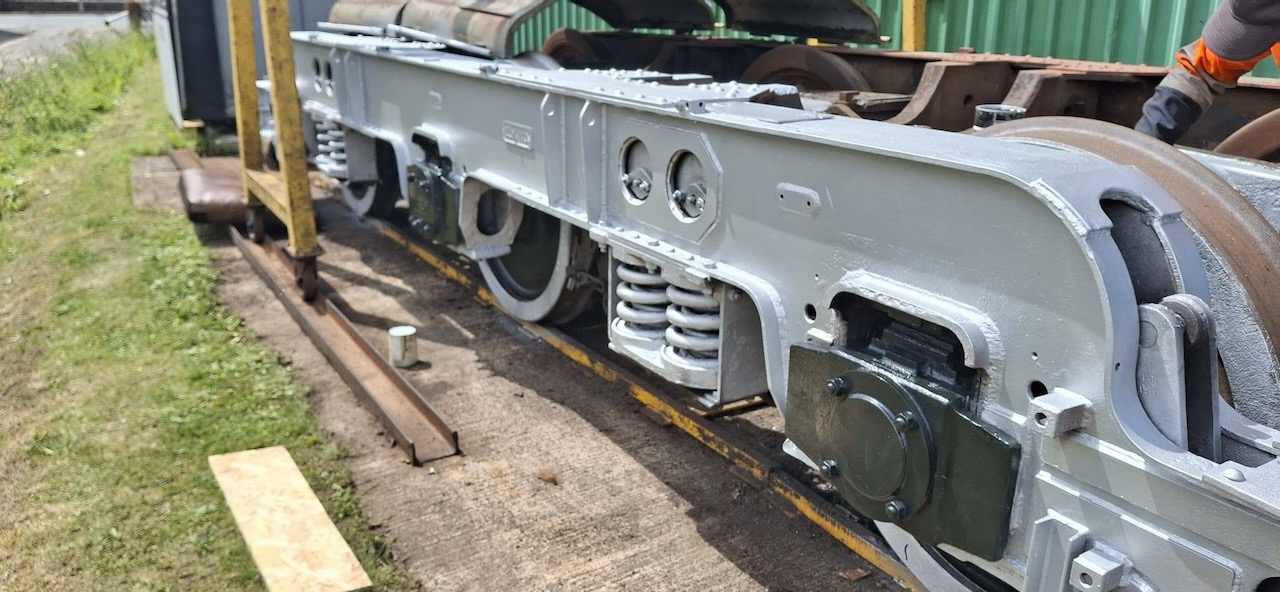
This was followed in 2016 by the purchase of the donor loco, 58022, which will donate its chassis, along with parts of the electrical and cooling system, to the finished project. The last of the major parts of the loco were purchased in 2019, when we acquired a set of original EM2 bogies, almost identical to those fitted to 10000.
A huge number of hours were spent preparing designs for the required chassis modifications, identifying what parts were still available and what would need to be manufactured from new, and working out how all those parts would work together.
Many hours were spent in the archive of the National Railway Museum, searching out the original drawings for 10000, most of which still exist. Fundraising has been, and is still being carried out. Great efforts have been made to raise the profile of the group. Many other components, and, vitally, spare parts, have been sourced.
In 2019 we took up residence in our workshop facility based at the Ecclesbourne Valley Railway.
We are pleased to say that we have received a lot of input, assistance and guidance from recognised industry experts, especially relating to traction equipment, chassis and brake design. It is pleasing that this input has not only confirmed the original IDRS proposal/design but has removed much of the uncertainty surrounding suitable equipment choices. The path forward has now been mapped out to enable us to gain the necessary certification to construct and operate the recreated 10000.
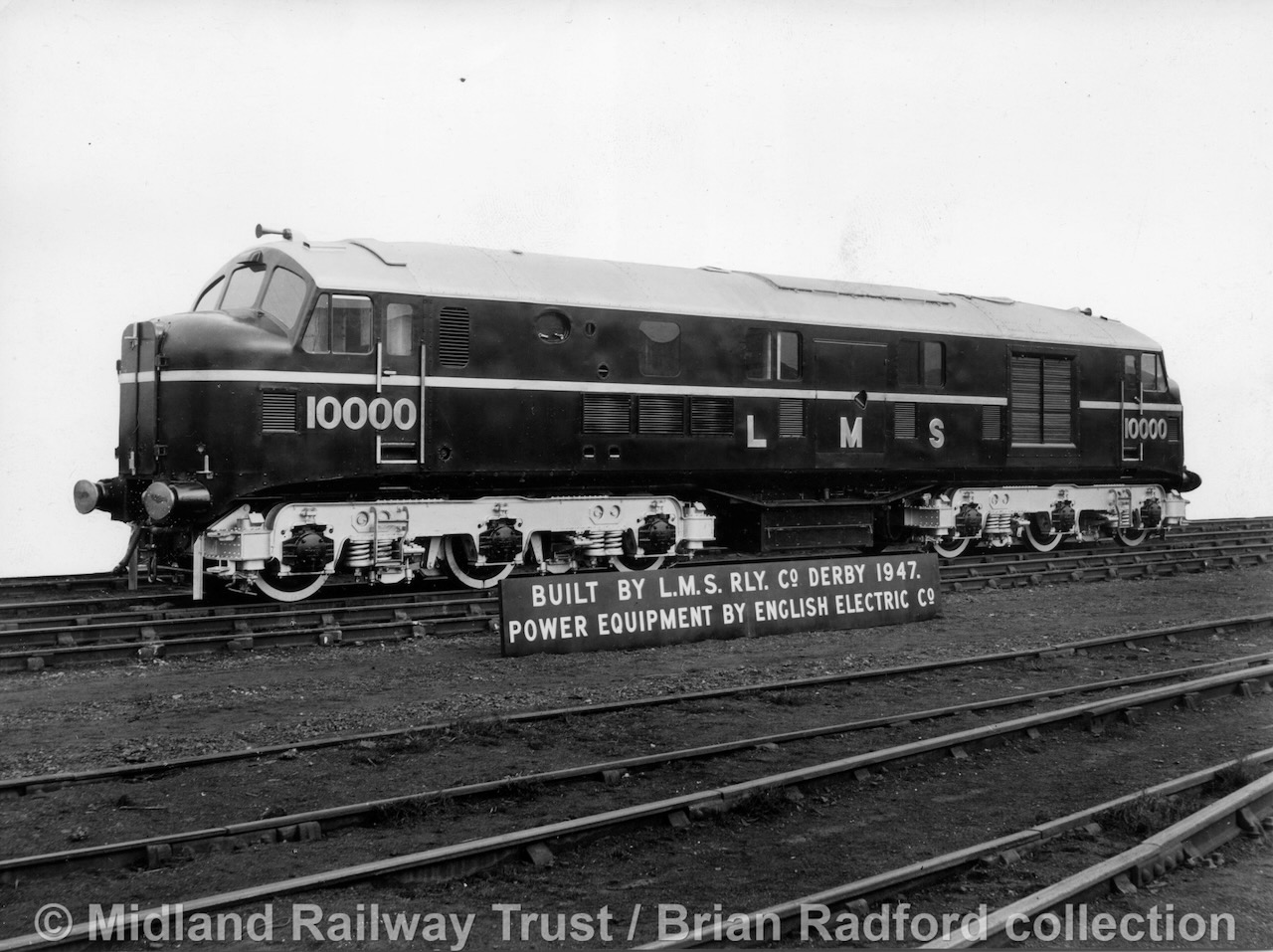
The recreated 10000 will utilise equipment that is available, proven and is adequate for the locomotive to operate within and beyond its proposed sphere of operation.
Due to the complexities and cost involved in exactly replicating the original electrical system, we have been advised to utilise Brush power equipment, as fitted to class 56 and 58 diesel locomotives.
This equipment is more than up to the job, and greatly simplifies the fitting out process. The use of this equipment has the bonus of reliability, as the power equipment we will be using is rated well above the planned 1600bhp crankshaft output of our mk 1 16SVT engine.
We are currently preparing to prepare the class 58 underframe to be matched with class EM2 bogies which can be seen outside our workshop. This will then create the rolling chassis of the new 10000.
Visit their website.
Main image credit: With kind permission of Walter Dendy